What Is Colocation
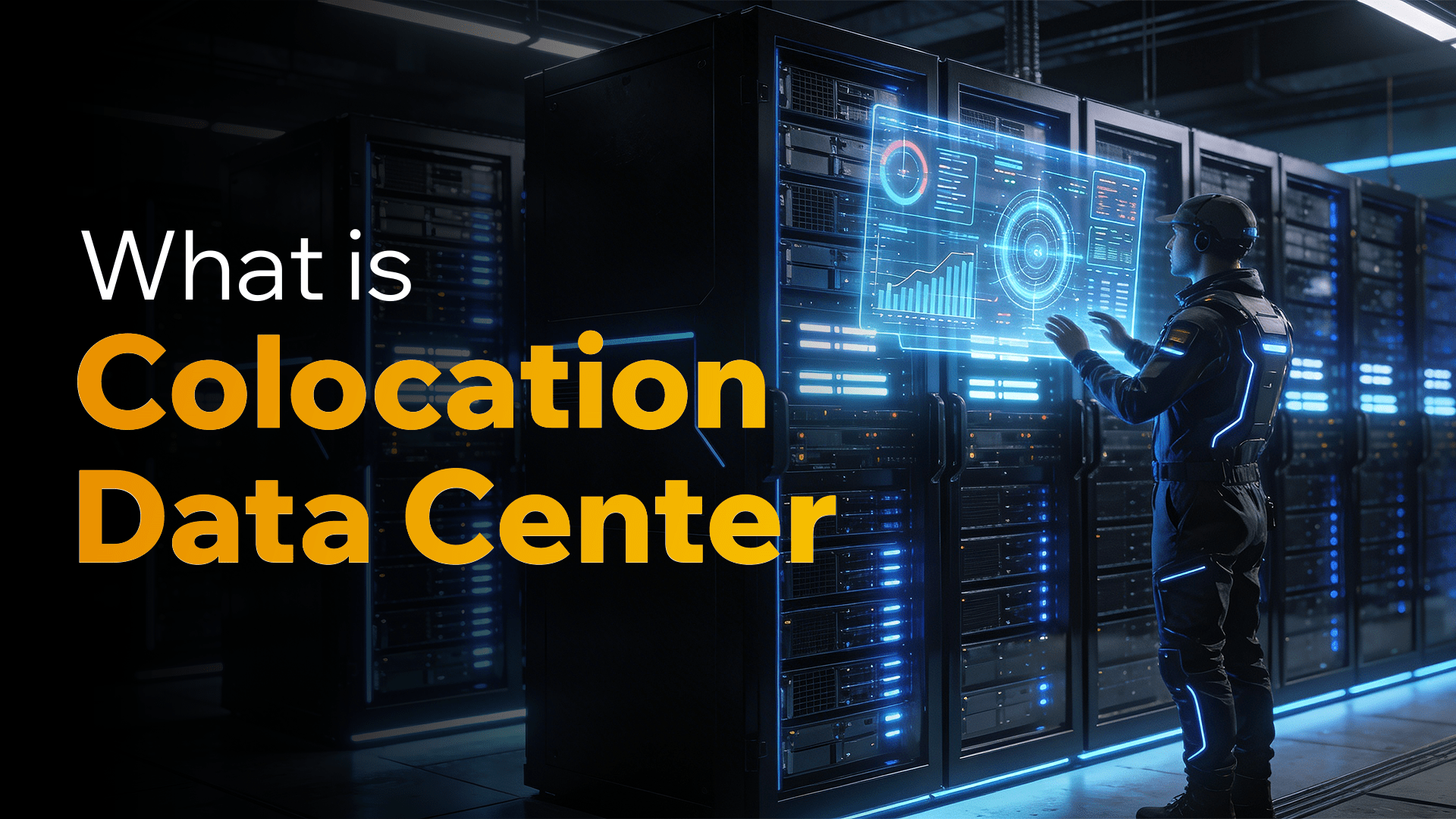
What Is Colocation Focus keyword: colocation Introduction Colocation is a service where companies place servers and network devices inside a professional data facility. Instead of building and operating a private site, you rent secure space with ready power, cooling, and protection. Because digital systems must run all the time, many businesses choose this model. It reduces risk and supports growth. What Is the Service Your equipment stays in a shared building managed by specialists. The provider handles electricity, cooling, and physical security. Meanwhile, you manage your own hardware and applications. So you keep control, but daily operations become easier. For a general explanation, you can read this reference:https://en.wikipedia.org/wiki/Colocation_centre How the Facility Works Your team installs servers in racks or cages. Each setup connects to primary and backup power. If one source fails, another takes over. As a result, services remain available. Cooling systems keep machines safe. In addition, security teams monitor the area at all times. You can also select different network carriers. Therefore, reliability improves. Why Connectivity Is Important Placing hardware in a site is only the first step. After that, you must connect it to users, offices, and cloud platforms. If links are slow, applications will suffer. Because of this, network design becomes critical. Enhancing Your Infrastructure with DCConnect Global Many organizations extend their strategy with DCConnect Global. The company provides fast and flexible ways to connect data centers, partners, and cloud environments. DCConnect Global delivers Data Center Interconnection services that create direct paths between locations. This approach improves speed. It also simplifies expansion. As a result, teams can focus on delivering value. Common Use Cases for This Service Companies adopt this model for many reasons. For example: In each case, strong connectivity makes operations more powerful. Conclusion This service gives businesses a secure and scalable place for infrastructure. You avoid construction costs while keeping control of technology. However, real performance depends on how well everything connects. With support from DCConnect Global, companies can grow faster and operate with confidence.