Category: Data Center

Blog

DCI to Cloud 2025: 3 Steps to Secure and High-Speed Connectivity

By 2025, the “Cloud” is no longer a destination; it is an operating model. Your data lives everywhere—in on-premise data centers, at the edge, and across multiple public clouds (AWS, Azure, Google Cloud). However, connecting these disparate environments creates a massive challenge. The public internet is too slow and insecure for modern AI workloads, while traditional carrier circuits are too rigid. To survive the data deluge of 2025, enterprises need a Data Center Interconnection (DCI) strategy that is fast, flexible, and fortress-secure. Here are the 3 critical steps to building a future-proof DCI-to-Cloud architecture. Step 1: Bypass the Public Internet (Go Private) The biggest mistake enterprises make is relying on public internet connections (VPNs) for mission-critical cloud traffic. In 2025, where latency kills AI performance and cyber threats are omnipresent, this is a gamble you cannot afford. The Strategy: Establish direct, private connections between your data center and your cloud providers. By bypassing the public internet, you eliminate “noisy neighbor” congestion and drastically reduce your attack surface. Why it matters: Pro Tip: Use a dedicated Cloud Connect solution to create a direct virtual cross-connect to major cloud providers (AWS, Azure, GCP) in minutes, ensuring your data travels on a secure, private highway. Step 2: Automate Speed with “Bandwidth on Demand” In the old world, getting a 10Gbps line took 60 days of phone calls and contracts. In 2025, business moves too fast for that. You might need 100Gbps today to migrate a database and only 10Gbps tomorrow for regular operations. The Strategy: Shift from static, fixed-bandwidth contracts to Software-Defined Interconnection (SDN). This allows you to provision bandwidth instantly via a portal or API. Why it matters: Real-World Application: Leveraging modern Data Center Interconnection platforms allows you to dial up bandwidth instantly to handle massive backups or AI training sets, then dial it back down to save costs. Step 3: Enforce a “Zero Trust” Architecture Speed is nothing without control. As your network perimeter expands to the cloud, the traditional “castle and moat” security model fails. You must assume that no traffic is trusted, even if it comes from inside your network. The Strategy: Implement Zero Trust principles within your DCI. This means every connection request is verified, encrypted, and monitored in real-time. Why it matters: The 2025 Network is Here The future belongs to the agile. By moving to private, software-defined connections, you turn your infrastructure from a bottleneck into a business accelerator. You gain the speed to run next-gen AI, the security to protect customer data, and the flexibility to pay only for what you use. Ready to modernize your connectivity?

Blog

Data Center Interconnection 2025: Your Guide to Optimal Strategy

In the rapidly evolving digital landscape, data centers are no longer isolated silos of information; they are dynamic, beating hearts of the global economy. As we move into 2025, Data Center Interconnection (DCI)—the technology that connects two or more data centers—is undergoing a radical transformation. Gone are the days when simple fiber links were enough. Today, the explosion of AI workloads, the maturity of 5G, and urgent sustainability goals are rewriting the rules. To stay competitive, enterprises must adopt a DCI strategy that is agile, intelligent, and fiercely efficient. Here is your guide to building an optimal DCI strategy for 2025 and beyond. The 3 Pillars of Modern DCI 1. Speed at Scale: The Shift to 400G and 800G The defining trend of 2025 is the insatiable hunger for bandwidth. With Generative AI models training on massive datasets in real-time, legacy 100G links are becoming bottlenecks. 2. “Green by Design” Connectivity Sustainability is no longer a “nice-to-have”—it is a regulatory mandate and a business imperative. 3. The Edge-to-Core Continuum The centralized cloud is evolving into a distributed fog. With Edge Computing, data is processed closer to the user—whether that’s a factory floor or a retail store. Your 2025 Optimization Strategy To thrive in this new environment, your infrastructure strategy should focus on three action items: A. Adopt Cloud-Neutral Interconnection Don’t lock yourself into a single cloud provider’s ecosystem. Use carrier-neutral connectivity to create a “network fabric” that sits above the clouds. This allows you to move workloads between AWS, Azure, Google Cloud, and private data centers without massive egress fees or technical friction. B. Leverage AI for Network Operations (AIOps) You cannot manage a 2025 network with 2015 tools. Implement AI-driven management platforms that predict traffic spikes and hardware failures before they happen. “Self-healing” optical networks can automatically reroute traffic around a fiber cut in milliseconds, ensuring 99.999% uptime for mission-critical apps. C. Simplify with “Connectivity-as-a-Service” The days of waiting 60 days for a telco circuit are over. Modern platforms allow you to provision global bandwidth in minutes via a web portal or API. This agility is crucial for bursting bandwidth during peak seasons or quickly entering new markets. Conclusion: Future-Proof Your Network Today The future of infrastructure is fast, green, and automated. By upgrading to higher-capacity links, embracing sustainability, and utilizing software-defined platforms, you can turn your network into a competitive advantage. Ready to modernize your global infrastructure with instant, scalable, and secure connectivity? Explore advanced solutions for data center interconnection to keep your business ahead of the curve in 2025.

Blog

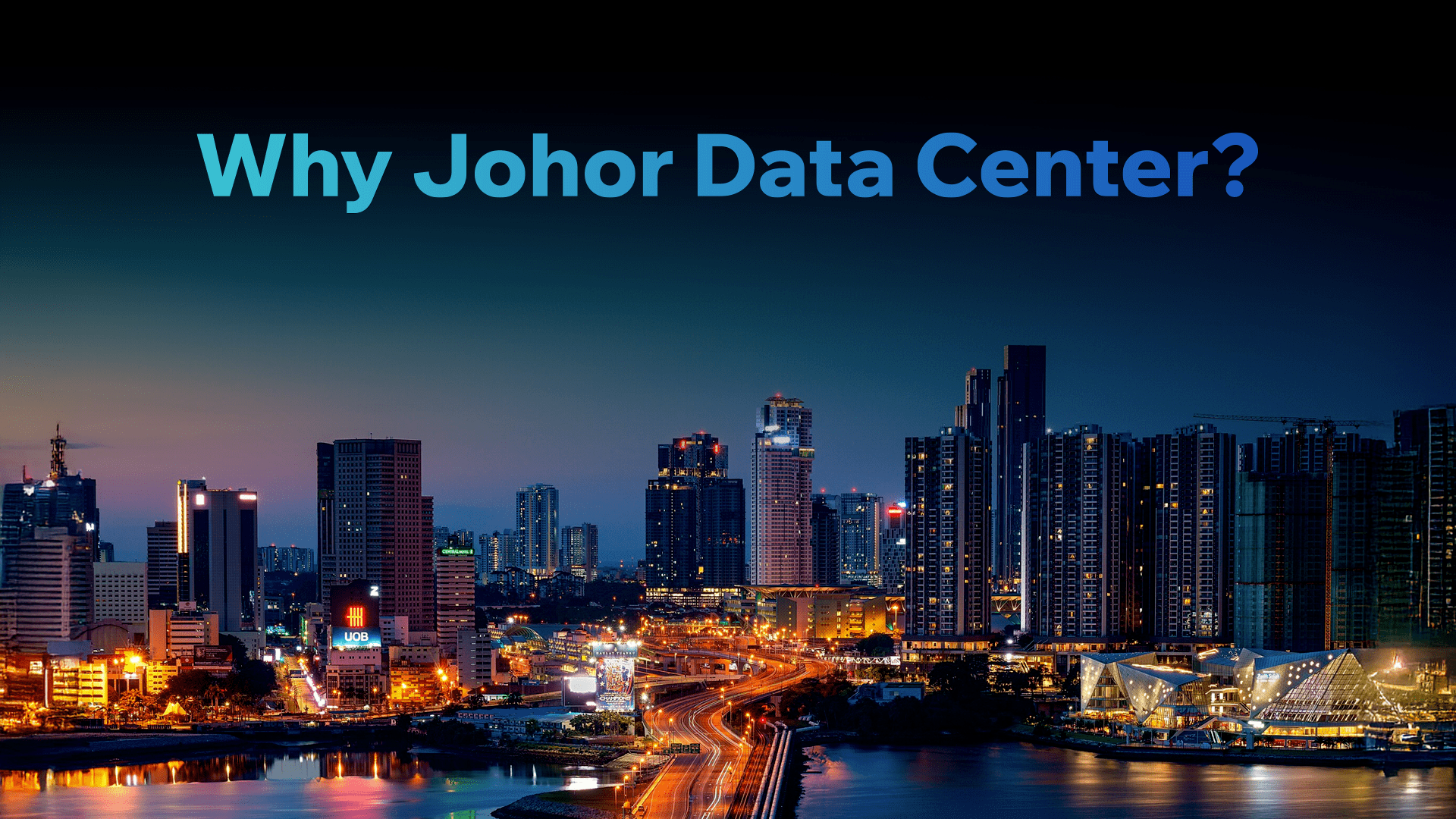
Why Johor Data Center

Why Johor is Becoming Southeast Asia’s Next Data Center Hotspot As digital transformation accelerates across Southeast Asia, the demand for data centers is reaching unprecedented levels. While Singapore has long been a favorite for hyperscalers and enterprises, limitations on land and energy use have pushed many to explore alternative locations. Among them, Johor, Malaysia is rising as a top contender. Here’s why Johor is catching the eye of global data center investors and operators: 1. Strategic Location Next to Singapore Johor offers close physical proximity to Singapore—just across the causeway—making it ideal for low-latency connectivity and redundancy. Many operators now view Johor as a natural data center spillover zone, extending Singapore’s digital infrastructure footprint. 2. Abundant and Affordable Power One of the biggest advantages Johor holds is its stable energy supply with lower electricity costs compared to Singapore. Coupled with Malaysia’s growing push for renewable energy sources, Johor presents a more sustainable and cost-effective environment for data center operations. 3. Availability of Land and Scalability Unlike Singapore, where land is scarce and expensive, Johor offers ample space for hyperscale development. The ability to build large campuses without the constraints of urban congestion makes it attractive for future-ready infrastructure planning. 4. Supportive Government Policies The Malaysian government is actively supporting digital economy initiatives. Johor benefits from policies that facilitate fast-track development approvals, tax incentives, and infrastructure grants—accelerating time-to-market for data center builds. 5. Robust International Connectivity Johor is well-connected through multiple submarine cable landing stations and cross-border fiber routes. This connectivity is crucial for businesses requiring high bandwidth, low latency, and diverse routing—especially for multi-cloud and international content delivery. 6. Growing Talent Pool and Local Expertise Johor is home to several universities and tech institutions, contributing to a growing pool of skilled IT and engineering talent. Combined with competitive labor costs, this makes it easier for operators to maintain and scale their operations locally. 7. Presence of Global Players Leading data center operators like Yondr, GDS, Bridge Data Centres, and Equinix have announced or initiated projects in Johor. Their presence validates the region’s viability and attractiveness for hyperscale infrastructure. Conclusion: A Region on the Rise Johor is no longer just a backup option to Singapore—it’s emerging as a core digital infrastructure hub in its own right. With its perfect mix of location, cost-efficiency, scalability, and connectivity, Johor is well-positioned to be the next frontier of Southeast Asia’s data center boom.

Blog

Top Data Center Locations Uncovered

What comes to mind when you think of Japan? Perhaps it’s the delicate flavor of fresh sushi, the breathtaking view of cherry blossoms in full bloom, or the quiet elegance of centuries-old temples set against dramatic landscapes. While these cultural icons paint a beautiful picture, there’s another side of Japan that’s equally impressive its cutting-edge digital landscape. Japan isn’t just a country steeped in tradition; it’s also a global leader in technological innovation. As reported by Data Center Map, Japan ranks among the most advanced telecom markets in the world. Its digital infrastructure is a testament to decades of investment, policy planning, and private sector innovation, positioning the country as a key player in the data center space. As the world’s third-largest economy, Japan boasts a stable political environment, strong financial sector, and world-class connectivity. Its highly developed manufacturing and IT sectors have laid the groundwork for a digital economy that’s both resilient and forward-thinking. From smart cities to 5G rollouts, Japan continues to push the envelope when it comes to integrating technology into daily life. Despite high entry barriers and steep construction costs, Japan’s main urban centers — particularly Tokyo and Osaka — continue to attract major data center investments. These cities offer excellent fiber infrastructure, proximity to dense populations, and access to skilled talent, making them attractive for global cloud providers, enterprise clients, and colocation firms alike. Looking ahead, the Japanese data center market is expected to experience significant growth, especially as demand increases from AI workloads, IoT applications, and digital transformation initiatives. Compared to many APAC countries, Japan provides a unique blend of technological maturity and market opportunity, making it a digital hub worth watching.

Blog

why software defined data centers are the brainpower behind modern tech

In an era where speed, scalability, and flexibility define success, traditional data centers are no longer enough. Enter the Software-Defined Data Center (SDDC) — a transformative approach to IT infrastructure that acts as the brainpower behind modern technology. By virtualizing every component of a data center — including compute, storage, and networking — SDDCs provide a dynamic foundation for digital innovation. What Is a Software-Defined Data Center? A Software-Defined Data Center is a data center where all infrastructure is virtualized and delivered as a service. Control of the hardware is entirely automated by software, enabling IT operations to be more efficient, flexible, and cost-effective. Key components include: Why SDDC Is the Brainpower of Modern Tech Here’s how SDDC powers the core of modern digital infrastructure: Real-World Applications Future Outlook As edge computing, AI, and IoT technologies advance, SDDCs will become even more essential. They’re not just supporting technology; they’re shaping its evolution. Conclusion Software-Defined Data Centers are not just a trend — they’re the technological brainpower driving digital transformation. For businesses aiming to future-proof their infrastructure, embracing SDDC is no longer optional; it’s a strategic necessity.

Blog

Why Your Business Deserves a Dedicated Internet Connection

In today’s fast-paced digital world, a reliable internet connection is crucial for any business. While shared internet connections might seem cost-effective, they often come with limitations that can hinder your business operations. This is where a dedicated internet connection comes into play. In this blog post, we’ll explore why your business deserves a dedicated internet connection and how it can benefit you in the long run. 1. Enhanced Reliability and Speed A dedicated internet connection ensures that your business has a consistent and reliable internet speed. Unlike shared connections, where bandwidth is divided among multiple users, a dedicated connection provides you with the full bandwidth you need. This means faster upload and download speeds, which are essential for tasks such as video conferencing, large file transfers, and cloud-based applications. 2. Improved Security Security is a top priority for any business. With a dedicated internet connection, you have a private line that is not shared with other users. This reduces the risk of cyberattacks and unauthorized access to your network. Additionally, dedicated connections often come with advanced security features such as firewalls and encryption, providing an extra layer of protection for your sensitive data. 3. Better Customer Experience A reliable internet connection is key to providing excellent customer service. Whether you’re running an e-commerce site, a customer support center, or a service-based business, a dedicated connection ensures that your online services are always available and responsive. This leads to higher customer satisfaction and can even boost your reputation. 4. Increased Productivity Slow internet speeds and frequent downtime can significantly impact your team’s productivity. With a dedicated internet connection, your employees can work more efficiently without the frustration of lagging connections. This means more time spent on important tasks and less time dealing with technical issues. 5. Scalability As your business grows, so do your internet needs. A dedicated internet connection can easily be scaled to accommodate increased bandwidth requirements. This flexibility ensures that your internet connection can grow with your business, providing the support you need at every stage of your development. Conclusion Investing in a dedicated internet connection is a smart move for any business. It offers enhanced reliability, improved security, better customer experience, increased productivity, and scalability. Don’t let a shared internet connection hold your business back. Make the switch to a dedicated connection and experience the difference it can make.

Blog

Designing Efficient Data Centers and Interconnection Networks

Data centers are the backbone of our online world. They house critical computing and storage resources, ensuring that applications, data, and content are always accessible. A well-designed data center and interconnection network are essential for maintaining high performance, reliability, and scalability. Understanding Data Center Design Data center design involves several key components: Interconnection Networks Data Center Interconnect (DCI) technology connects multiple data centers over varying distances using high-speed packet-optical connectivity  1. This enables data centers to share resources, balance workloads, and provide redundancy. Key Considerations for DCI Design

Blog

On-Promise to Colocation: The Future of Data Centers

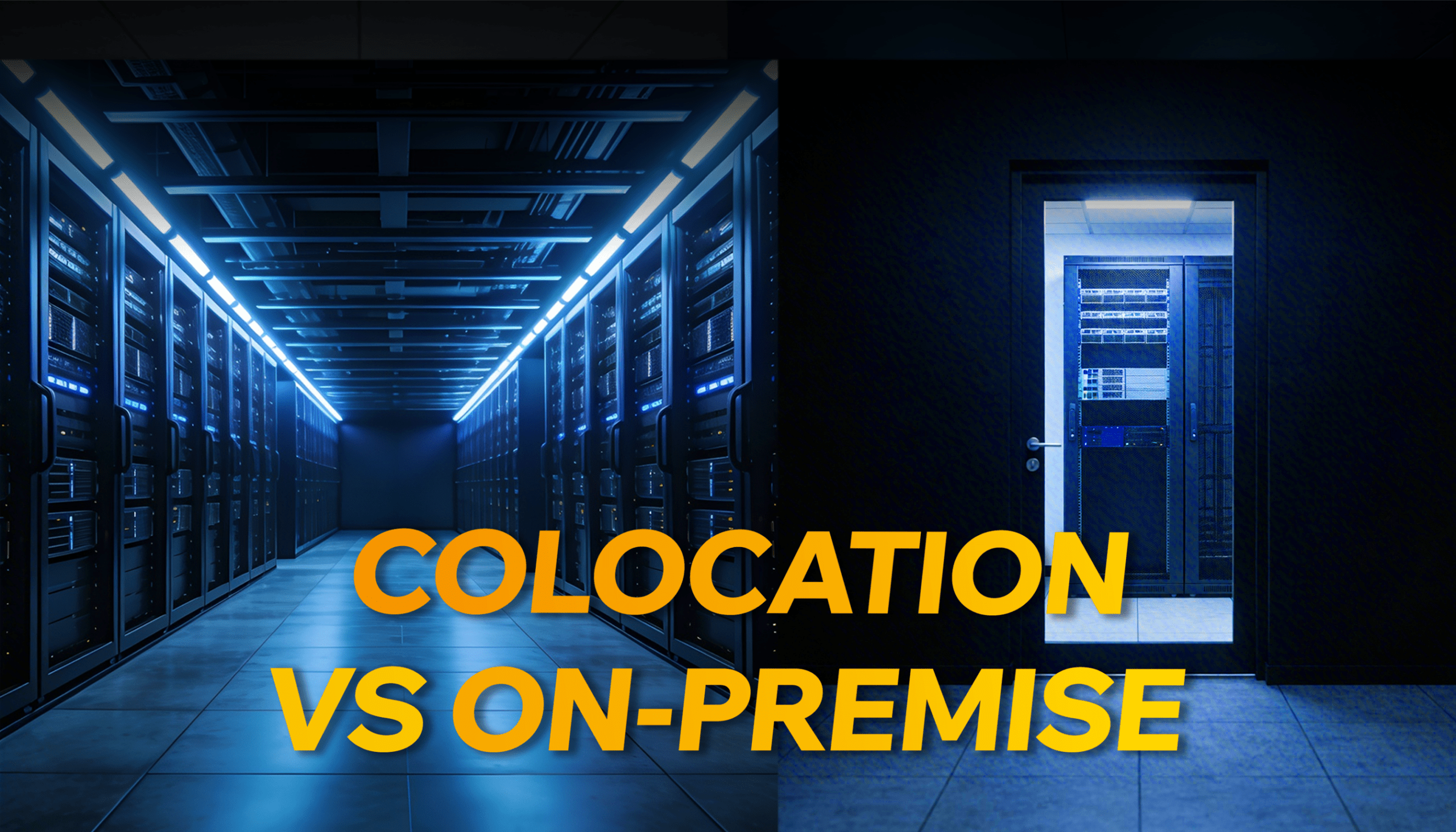
Modern organizations face increasing pressure to optimize their IT infrastructure for scalability, cost efficiency, and environmental impact. For decades, on-premise data centers were the standard for storing and managing data. However, the rise of colocation services has sparked a significant shift, reshaping the future of data centers. This transition enables businesses to focus on core competencies while benefiting from shared resources, cutting-edge technology, and improved resilience. On-Premise Data Centers: An Overview What Are On-Premise Data Centers? On-premise data centers are physical facilities where organizations host and manage their IT infrastructure. These setups are entirely owned and controlled by the company, offering unmatched customization and autonomy. From running critical applications to securing sensitive data, on-premise solutions were historically the go-to choice for enterprises. Benefits of On-Premise Solutions Businesses often prefer on-premise setups for their ability to: Challenges in Managing On-Premise Infrastructure Despite their advantages, on-premise data centers come with significant challenges: Colocation Data Centers: A Modern Alternative Understanding Colocation Services Colocation involves renting space in a third-party data center to host your servers and equipment. These facilities provide state-of-the-art infrastructure, power, cooling, and connectivity, enabling businesses to offload operational responsibilities. Benefits of Colocation Data Centers Colocation offers several compelling advantages: The Role of Colocation in Business Agility In a fast-paced world, colocation enables businesses to adapt quickly to market changes without overextending budgets or resources. By leveraging shared infrastructure, organizations gain access to the latest technology without long-term investments. Key Drivers for Transition Rising Costs of On-Premise Management Maintaining an on-premise data center is increasingly expensive due to rising energy prices, hardware replacements, and skilled labor shortages. Colocation offers a cost-effective alternative with predictable pricing models. Scalability and Flexibility Needs Modern workloads require dynamic scaling capabilities. Colocation facilities are designed to accommodate sudden spikes in demand, ensuring consistent performance. Security and Compliance Improvements Colocation providers adhere to strict regulatory frameworks such as GDPR, HIPAA, and ISO standards, ensuring peace of mind for businesses handling sensitive data. Comparative Analysis Feature On-Premise Colocation Cost High upfront investment Lower capital expenditure Scalability Limited by physical space Easily expandable Maintenance Handled in-house Managed by service provider Environmental Impact Higher energy consumption Green certifications available Emerging Trends in Colocation Green Data Centers Sustainability is a growing focus. Many colocation facilities now use renewable energy sources and advanced cooling systems to minimize carbon footprints. Edge Computing in Colocation With the rise of IoT, edge computing integrates seamlessly into colocation facilities, reducing latency and improving real-time data processing. AI-Driven Infrastructure Management Artificial intelligence enables predictive maintenance, optimizing resource utilization and reducing downtime in colocation environments. The Future of Data Centers The future lies in hybrid IT models where colocation, cloud, and on-premise solutions work in harmony. As technology evolves, businesses will increasingly embrace colocation for its ability to balance efficiency, innovation, and sustainability.

Blog

Modern Data Center 2025: Innovations and Trends Shaping the Future

Modern data centers in 2025 represent the beating heart of the digital economy. They are more than physical infrastructures; they are the lifeline of cloud computing, IoT, AI, and global connectivity. So, what defines a modern data center today? Simply put, it’s a combination of scalability, efficiency, and security powered by cutting-edge technologies. Data centers have evolved dramatically, transitioning from traditional server rooms to sophisticated, software-defined ecosystems. This evolution is driven by an increasing need for real-time processing, better resource utilization, and sustainable operations. Core Components of Modern Data Centers Modern data centers rely on three pillars: servers, storage, and networking. These components form the backbone of operations, enabling the seamless delivery of services. Virtualization and Hyperconvergence Virtualization allows data centers to decouple software from hardware, maximizing hardware efficiency. Hyperconverged infrastructure (HCI) integrates computing, storage, and networking into a single platform, reducing complexity and operational costs. Key Trends in Data Centers for 2025 AI-Driven Operations Artificial intelligence is transforming how data centers operate. AI tools now predict hardware failures, optimize workloads, and improve energy efficiency by analyzing vast datasets in real time. The Rise of Edge Computing With IoT and 5G driving unprecedented data creation, edge computing has emerged as a solution. Edge data centers process data closer to its source, reducing latency and bandwidth costs. Sustainability in Data Centers Environmental sustainability has become a focal point in 2025. Data Security in 2025 Zero Trust Architecture A zero-trust model ensures every access request is verified, regardless of the network’s origin, minimizing potential breaches. Advanced Encryption Data centers now deploy end-to-end encryption to secure sensitive information, making it virtually impossible for unauthorized entities to gain access. Edge Computing and Its Role Advantages Over Traditional Models Edge computing improves performance, reduces latency, and minimizes dependence on centralized cloud infrastructure. Artificial Intelligence in Data Centers Predictive Maintenance AI-powered predictive maintenance tools monitor hardware health, alerting operators before failures occur, thereby reducing downtime. Optimizing Workloads Machine learning models analyze workloads to allocate resources dynamically, balancing demand and power usage. The Shift Toward Hyperscale Data Centers Major Players and Market Growth Hyperscale facilities, designed to handle massive data loads, have become critical for scalability and performance. Modern Cooling Technologies Liquid Cooling Systems Liquid cooling is replacing traditional air-based solutions, providing superior temperature control and efficiency. AI-Based Cooling Optimization AI algorithms now monitor thermal conditions in real time, adjusting cooling systems to optimize performance and reduce energy use. The Impact of 5G on Data Centers Adapting Infrastructure Data centers are upgrading to support 5G workloads, ensuring smooth operation of latency-sensitive applications. FAQs What makes a data center “modern”?A modern data center uses advanced technologies like AI, edge computing, and sustainable energy to enhance scalability and efficiency. How does AI improve data center operations?AI optimizes resource allocation, predicts hardware failures, and enhances energy efficiency through machine learning. What is edge computing, and why is it important?Edge computing processes data closer to its source, reducing latency and enabling faster decision-making. Why is sustainability crucial in data centers?Sustainability reduces environmental impact and lowers operational costs by leveraging energy-efficient technologies. How do modern cooling systems work?Liquid cooling and AI-based solutions provide efficient temperature management, reducing energy consumption. What are hyperscale data centers?Hyperscale data centers support massive workloads and ensure seamless performance. Modern data centers in 2025 are at the forefront of digital transformation. With innovations in AI, edge computing, and sustainable practices, they continue to drive technological advancements. By staying ahead of emerging trends, data centers are not just meeting today’s demands but paving the way for a more connected and efficient future.

Blog

The Importance of Data Centers for Businesses

Whether you’re a small startup or a large enterprise, the way you manage, store, and access data can significantly impact your business’s efficiency, security, and scalability. This blog post will explore the critical role data centers play in business and why investing in the right data center solution is crucial for success. What is a Data Center?A data center is a facility that houses an organization’s critical IT infrastructure, including servers, storage systems, networking equipment, and other computing resources. These centers are designed to ensure that data is accessible, secure, and efficiently managed, providing businesses with the necessary tools to operate in a digital landscape. Why Data Centers Matter for BusinessesReliability and UptimeOne of the most important aspects of a data center is its ability to provide reliable uptime. Downtime can be disastrous for businesses, leading to lost revenue, damaged reputation, and customer dissatisfaction. Data centers are equipped with redundant power supplies, cooling systems, and network connections, ensuring that your business operations run smoothly without interruptions. ScalabilityAs your business grows, so does the need for more data storage and processing power. Data centers offer scalable solutions that allow you to expand your IT infrastructure without significant capital investments. Whether you need more storage, increased processing power, or enhanced networking capabilities, a data center can provide the necessary resources on-demand. SecurityWith cyber threats becoming more sophisticated, data security is a top priority for businesses. Data centers are equipped with advanced security measures, including firewalls, encryption, intrusion detection systems, and physical security controls, to protect your critical data from unauthorized access and breaches. By hosting your IT infrastructure in a data center, you can significantly reduce the risk of cyberattacks. Whether you’re a small startup or a large enterprise, the way you manage, store, and access data can significantly impact your business’s efficiency, security, and scalability. This blog post will explore the critical role data centers play in business and why investing in the right data center solution is crucial for success. What is a Data Center?A data center is a facility that houses an organization’s critical IT infrastructure, including servers, storage systems, networking equipment, and other computing resources. These centers are designed to ensure that data is accessible, secure, and efficiently managed, providing businesses with the necessary tools to operate in a digital landscape. Why Data Centers Matter for BusinessesReliability and UptimeOne of the most important aspects of a data center is its ability to provide reliable uptime. Downtime can be disastrous for businesses, leading to lost revenue, damaged reputation, and customer dissatisfaction. Data centers are equipped with redundant power supplies, cooling systems, and network connections, ensuring that your business operations run smoothly without interruptions. ScalabilityAs your business grows, so does the need for more data storage and processing power. Data centers offer scalable solutions that allow you to expand your IT infrastructure without significant capital investments. Whether you need more storage, increased processing power, or enhanced networking capabilities, a data center can provide the necessary resources on-demand. SecurityWith cyber threats becoming more sophisticated, data security is a top priority for businesses. Data centers are equipped with advanced security measures, including firewalls, encryption, intrusion detection systems, and physical security controls, to protect your critical data from unauthorized access and breaches. By hosting your IT infrastructure in a data center, you can significantly reduce the risk of cyberattacks. Cost EfficiencyBuilding and maintaining an in-house data center can be costly and resource-intensive. By leveraging third-party data centers, businesses can reduce operational costs associated with power, cooling, hardware maintenance, and staffing. This allows businesses to focus on their core competencies while leaving the IT infrastructure management to experts. Disaster Recovery and Business ContinuityData centers play a crucial role in disaster recovery and business continuity planning. In the event of a natural disaster, power outage, or other unexpected events, a data center ensures that your data is backed up and can be quickly restored, minimizing downtime and ensuring your business can continue operating without significant disruptions. Connectivity and SpeedModern data centers are equipped with high-speed internet connections and advanced networking technologies that ensure fast and reliable access to your data. This is particularly important for businesses that rely on cloud services, remote work, and real-time data processing. Choosing the Right Data Center for Your BusinessWhen selecting a data center for your business, it’s important to consider factors such as location, scalability, security, and connectivity. Here are some key points to keep in mind: Location: Choose a data center that is geographically close to your primary business operations to reduce latency and improve access speeds. Security: Ensure that the data center has robust security measures in place to protect your sensitive data. Scalability: Select a data center that can grow with your business and offer flexible solutions that meet your changing needs. Compliance: Make sure the data center complies with industry standards and regulations relevant to your business, such as GDPR, HIPAA, or PCI DSS. Support: Consider the level of support offered by the data center provider, including 24/7 monitoring, technical support, and managed services. https://www.dcconnectglobal.com/data-center-interconnection/