

Malaysia Digital Action Plan 2030: Why Connectivity Matters
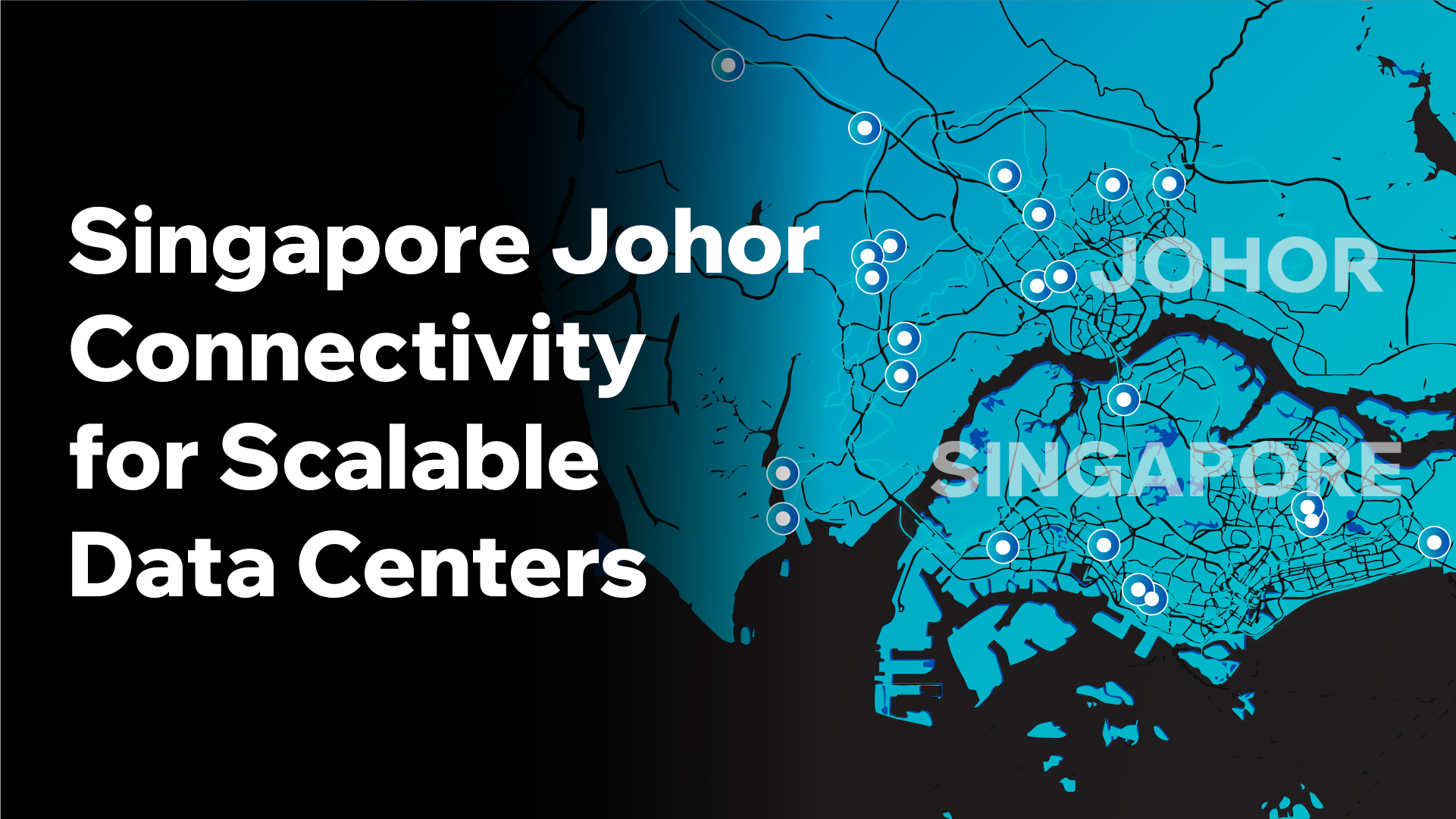
Malaysia Digital Action Plan 2030 (MD2030) is setting a clear direction for the nation’s digital economy. Specifically, it places artificial intelligence (AI), technological innovation, and digital infrastructure at the centre of its ambitions. Launched in June 2026, the plan targets a 30% contribution from the digital economy to national GDP while aiming to create 500,000 high-value digital-economy job opportunities by 2030. However, achieving these ambitious goals requires far more than advanced AI applications and digital talent alone. As modern enterprises deploy massive cloud services, AI workloads, and data-driven applications, Malaysia will also require resilient network infrastructure capable of moving surging volumes of data. Consequently, high-performance connectivity is rapidly becoming an essential pillar of the country’s ongoing digital transformation. What Is Malaysia Digital Action Plan 2030? Malaysia Digital Action Plan 2030 serves as the definitive national implementation framework for the country’s digital agenda from 2026 to 2030. The Ministry of Digital spearheads the initiative, supported by a broad coalition of government agencies and ministries executing programs across diverse sectors. The initiative establishes several core national targets, including a 30% digital-economy GDP contribution, 500,000 high-value tech jobs, RM4.5 billion in public-sector savings through accelerated government digitalisation, and 95% end-to-end online public services. Furthermore, MD2030 is structured around seven strategic thrusts: government, economy, infrastructure, talent, society, trust and security, and innovation. This comprehensive architecture demonstrates that Malaysia’s digital transformation extends far beyond basic software adoption; it encompasses critical physical infrastructure, specialized skills development, robust security, and inclusive economic growth. Why AI Growth Creates New Connectivity Requirements Artificial intelligence fundamentally relies on continuous data streams. As organizations aggressively adopt generative AI, machine learning, and other compute-heavy technologies, they must transfer vast quantities of information seamlessly between users, applications, cloud platforms, and distributed computing environments. Consequently, network performance plays a decisive role in the broader digital infrastructure equation. An enterprise may secure access to powerful computing clusters, but applications will inevitably suffer severe performance bottlenecks if the underlying network fails to deliver adequate capacity, low latency, and absolute reliability. Moreover, modern AI workloads continuously interact with hybrid cloud and data-centre environments. This structural reality creates an urgent demand for advanced networks capable of bridging enterprise branch offices with the robust infrastructure powering those compute loads. In practical terms, Malaysia’s aggressive AI ambitions will generate compounding requirements for scalable connectivity alongside traditional computing and storage capacity. Data Centres and Digital Infrastructure Take Centre Stage Infrastructure stands prominently as one of the seven strategic pillars under the Malaysia Digital Action Plan 2030. The federal government explicitly identifies high-quality internet connectivity and sustainable digital infrastructure—including hyperscale data centres, cloud computing platforms, and smart cities—as top national priorities. This strategic focus matters because data centres represent the core foundation of modern digital services. Cloud applications, enterprise systems, AI frameworks, and digital public utilities all depend heavily on underlying infrastructure capable of processing and transferring data efficiently. As a result, data-centre expansion and telecom network development must progress in tandem. While a data centre provides the physical computing environment, high-performance connectivity links that facility securely to enterprises, public cloud ecosystems, alternative data centres, and end users. For organizations operating across multiple physical sites, this interconnected approach is particularly vital as they distribute workloads while maintaining real-time communication between locations. Kuala Lumpur, Cyberjaya and Johor: Key Connectivity Corridors Malaysia’s digital infrastructure ecosystem spans several critical geographic zones. Kuala Lumpur remains the premier commercial and enterprise hub, while Cyberjaya maintains its established status as a leading technology and R&D ecosystem. Simultaneously, Johor has evolved into a powerhouse for hyper-scale data-centre development. This geographical distribution generates a clear operational requirement: businesses need efficient, low-latency network links bridging these key digital clusters. DCConnect Global has established robust domestic connectivity routes linking Kuala Lumpur, Cyberjaya, and Johor Bahru. These routes are specifically engineered to interconnect vital commercial, technology, and data-centre nodes with enterprise-grade reliability. The broader DCConnect Global network also delivers direct connectivity to major data-centre facilities across Malaysia, including strategic sites in Kulai, Johor Bahru, and Nusajaya. Therefore, organizations planning digital infrastructure deployments in Malaysia should evaluate connectivity as an integrated component of their broader data-centre and cloud strategy rather than treating it as an afterthought. How DCConnect Global Supports Malaysia’s Digital Growth As Malaysia advances steadily toward its 2030 digital milestones, enterprises require agile network infrastructure capable of evolving alongside shifting operational demands. This is especially true for organizations interconnecting data centres, cloud environments, enterprise sites, and regional operations. DCConnect Global delivers seamless connectivity solutions across Southeast Asia with an established presence directly in Malaysia. Its dedicated Malaysian routes connect Kuala Lumpur, Cyberjaya, and Johor Bahru, helping businesses establish secure communication channels between critical digital infrastructure hubs. Furthermore, DCConnect Global provides specialized solutions tailored for data-centre interconnection (DCI), dedicated internet access (DIA), and high-speed cloud integration. Its extensive regional network footprint spans multiple Southeast Asian markets, empowering enterprises to unify distributed operations effortlessly. Preparing Networks for Malaysia’s AI-Driven Future Malaysia Digital Action Plan 2030 establishes a visionary blueprint for national digital acceleration through 2030. However, translating these grand ambitions into daily operational success demands physical infrastructure capable of supporting unprecedented data volumes. Consequently, organizations must carefully weigh multiple network parameters when designing their infrastructure roadmaps, including available bandwidth, latency profiles, path resilience, geographic reach, and on-demand scalability. Furthermore, companies operating across multiple data centres derive immense advantages from interconnecting facilities via dedicated, high-capacity network paths. This proactive approach ensures consistent synchronization across workloads, applications, and branch offices. As enterprise AI adoption scales exponentially, network architecture must be prioritized early in the planning lifecycle for all cloud and AI deployments. Building the Connectivity Foundation for Malaysia’s Digital Future Malaysia Digital Action Plan 2030 represents a monumental push to strengthen the national digital economy and build resilient capabilities for an AI-driven future. Its aggressive targets for GDP contribution, high-value employment, and public sector modernization underscore the profound scope of this transformation. At the same time, the plan’s infrastructure focus confirms that long-term digital success relies entirely on high-quality connectivity, advanced data centres, and flexible